
Solar Panels in Winter: Performance and Real-World Production
Cold weather boosts solar panel efficiency. Discover the truth about photovoltaic production in winter.
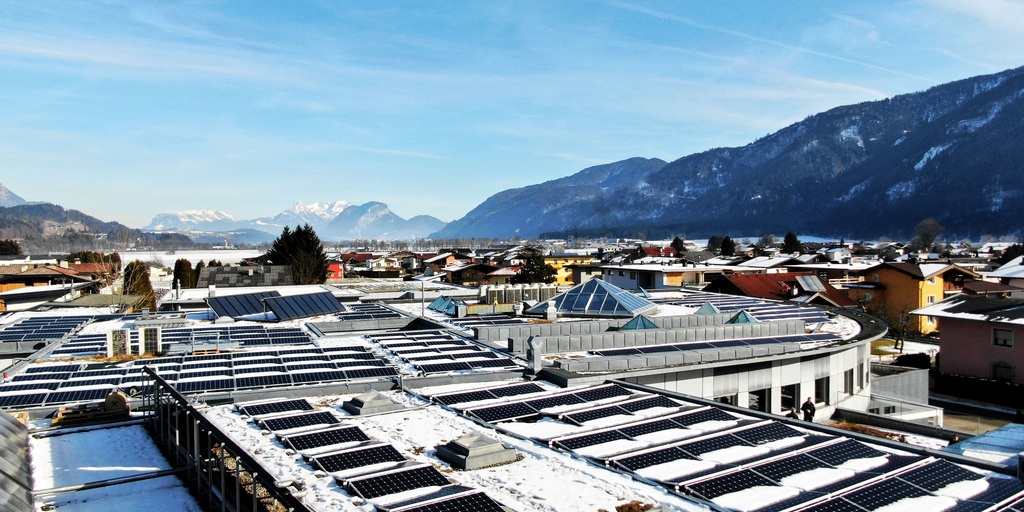
Solar Energy in Winter: Myths and Realities About Performance
Winter brings a lot of questions for solar panel owners. Will your system produce enough electricity? Will cold temperatures block your panels? Will snow ruin your investment?
Rest assured: the reality is far more encouraging than many people imagine. Photovoltaic solar panels do not hibernate in winter. On the contrary, photovoltaic cells actually love the cold.
Do Solar Panels Really Work in Winter?
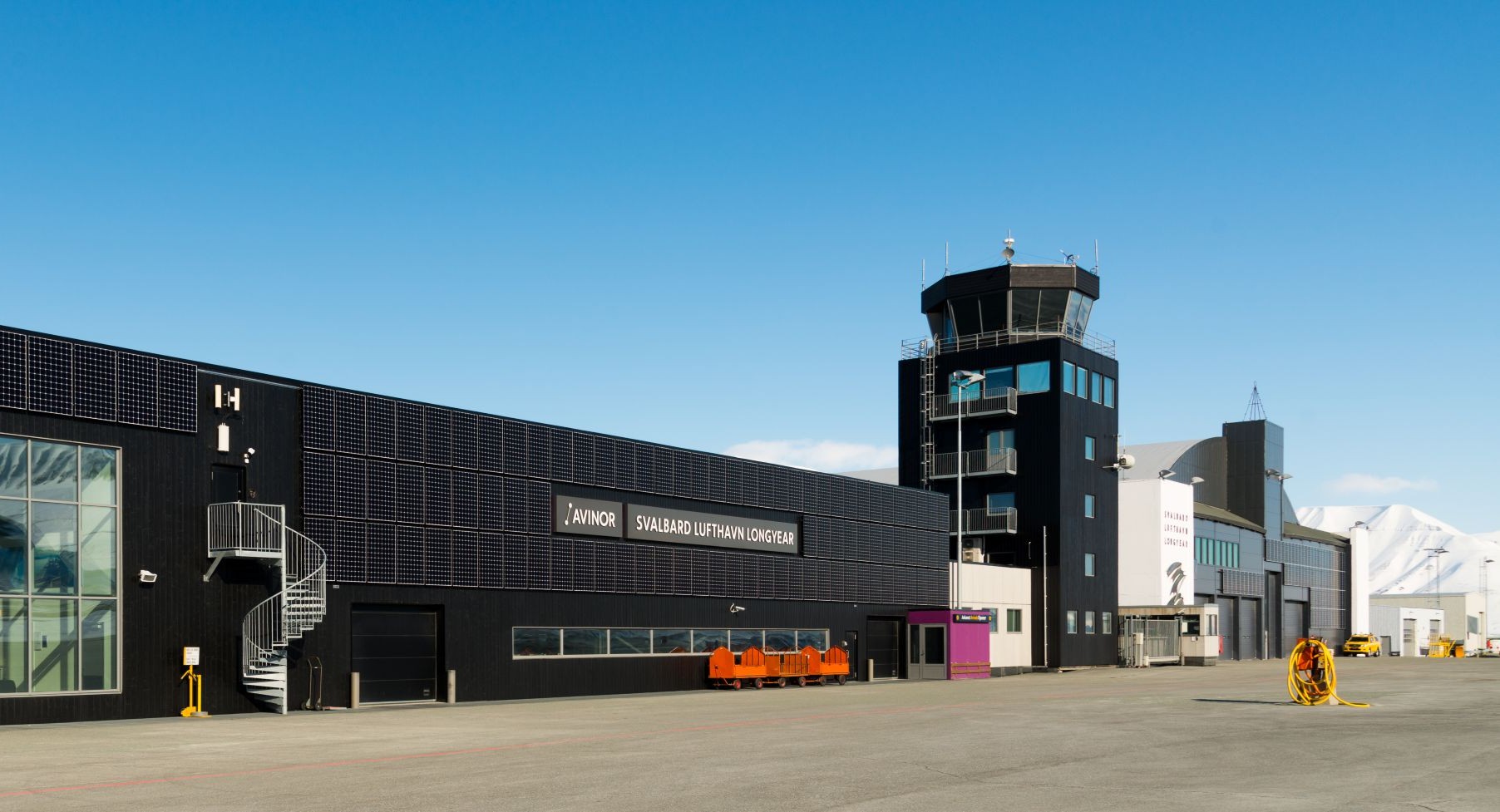
Yes, solar panels continue to produce electricity even in sub-zero temperatures.
The most persistent misconception? Believing that solar panels need heat to work. That’s false. What truly matters for electricity production is sunlight - not outdoor temperature.
Photovoltaic cells convert photons (light particles) into electrical current through the photovoltaic effect. As long as there is light, your panels produce energy. Even on cloudy days, even in extreme cold.
Understanding the Photovoltaic Effect in Winter
The photovoltaic effect operates independently of temperature. Panels capture sunlight and convert it into electricity using silicon cells. This process continues all year round.
While it is true that winter days are shorter and sunlight is less intense, that does not stop your photovoltaic system from doing its job.
Winter Production in Numbers
On average, around 70% of the electricity produced by a photovoltaic solar installation is generated between April and September. Looking more closely, only 3% of total production occurs during the core winter months (January and February), and about 10% between November and February.
Source: ENGIE My Power, 2024
That’s not much - but it’s not zero either. In Saint-Jean-de-Bournay, Mr. Jonrond installed SunPower panels in 2018. His system performs perfectly year-round, having already generated €19,000 in savings.
To understand why winter isn’t the enemy of solar energy, we need to look at efficiency in cold weather.
Why Does Cold Weather Improve Photovoltaic Efficiency?
Here’s the surprise: your solar panels love the cold. Efficiency actually increases at lower temperatures.
Low temperatures enhance the efficiency of photovoltaic cells. Why? Panels are semiconductors - just like the chips in a computer. And like all electronic components, they perform better when kept cool.
The Temperature Coefficient: Key to Efficiency
Each solar panel has a temperature coefficient that shows how performance changes with heat. This coefficient is generally negative: the colder it gets, the better the efficiency.
Above 25–30°C, panel efficiency begins to decline. Excessive heat reduces performance. Conversely, cold optimizes production. A panel operating at -30°C can even exceed its nominal power.
Practical Efficiency Calculation Example
A 140-watt panel at 25°C (standard test conditions) can reach 175 watts at -30°C thanks to increased efficiency in cold weather.
This efficiency gain partially offsets reduced winter sunlight. As a result, your photovoltaic system maintains respectable production, even in mid-winter.
How Does Snow Affect Solar Energy Production?
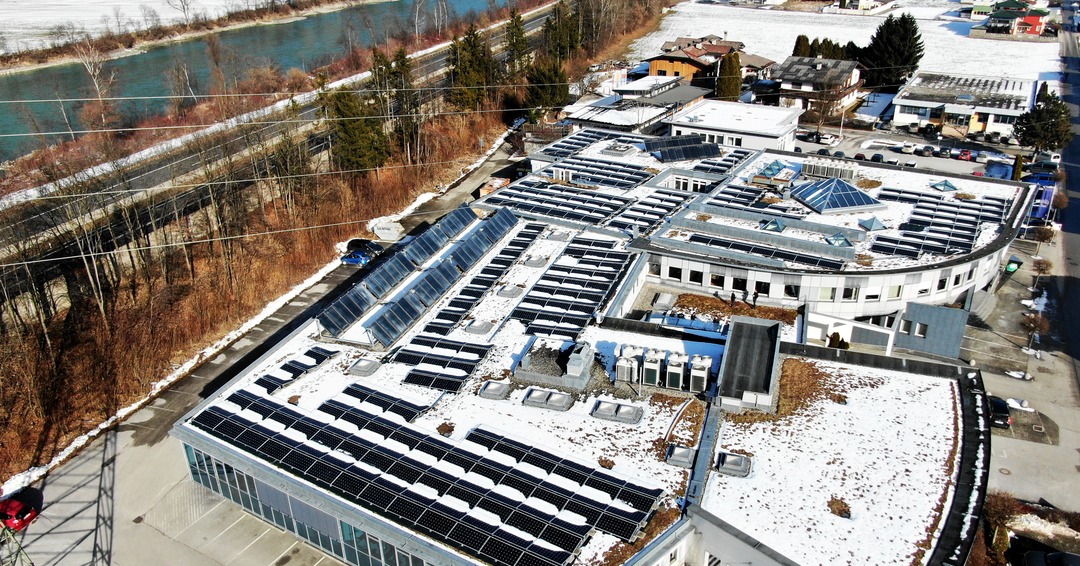
Snow can temporarily block sunlight from reaching your panels. A thick layer does indeed prevent solar rays from reaching the photovoltaic cells, reducing production.
But snow doesn't have to be a problem - it can even become an ally.
The Light Reflection Effect
Snow reflects up to 80% of sunlight. This phenomenon, well known to skiers, increases the amount of light reaching your panels. Reflected light can raise overall solar exposure and improve efficiency.
Should You Remove Snow From Your Solar Panels?
It depends on how much snow has accumulated:
- Thin layer (a few centimeters): No need to climb onto the roof. Snow melts quickly with the first rays of sun, and production resumes rapidly.
- Thick layer: Snow removal may be necessary to optimize production - but only safely. Use a long-handled rake from the ground. Never take unnecessary risks.
Pro tip: Leave a few centimeters of snow around the panels to take advantage of reflected light and increase solar exposure.
Optimal Panel Tilt
Panel tilt has a direct impact on winter production. In winter, the sun sits much lower on the horizon than in summer.
- Ideal winter tilt: 60° to capture maximum light
- Ideal summer tilt: 20° when the sun is high in the sky
- Best year-round compromise: Around 30° to optimize both winter and summer production
A 60° tilt also helps snow slide off naturally, improving winter maintenance.
How Much Solar Production Can You Expect in Winter?
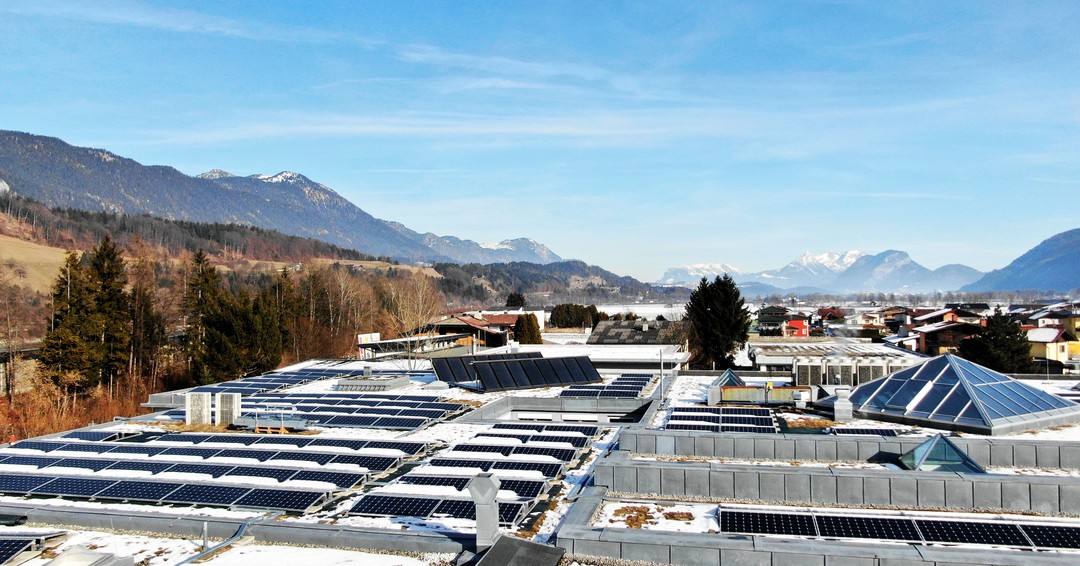
Winter isn’t the star season for solar energy, but your panels keep working for you. Production remains steady thanks to the cold, which improves efficiency.
What truly matters? Total annual production.
Don’t focus solely on January and February. Look at the entire year. A well-sized system remains profitable despite seasonal variations.
Real-World Results
In Morancé, Mr. Mercier installed 8 SunPower Performance 6 AC Black panels. His production covers more than 50% of his annual consumption, with savings of €836 in the first year and over €28,000 over 25 years.
In Ruy‑Montceau, Mr. Gambier produces nearly 60% of his energy needs with 22 panels. His production generates more than €83,500 in savings over 20 years. His return on investment? Less than 6 years.
In Dolomieu, Mr. Barbier produces approximately 6,000 kWh per year with 12 panels. He saves more than €1,100 every year.
These examples prove that solar panels remain efficient all year long—even in winter.
Best Practices to Optimize Winter Production
- Monitor orientation: The sun is lower in winter; ensure your panels aren’t shaded by trees or buildings.
- Check overall condition: After storms or hail, visually inspect your system.
- Optimize tilt: If possible, adjust the tilt to maximize winter output.
Why Choose SunPower Panels for Winter?
SunPower solar panels are built to last - 30 to 40 years of warranties, exceptional resistance to extreme conditions, and optimized efficiency.
Optimal Winter Performance
SunPower panels maintain high efficiency even in cold weather. Their construction resists corrosion, thermal shock, and heavy snow loads. They consistently produce electricity, regardless of the season.
In 2026, Solar Remains Profitable. Even in Winter.
Your photovoltaic system doesn’t stop at the first snowfall. It keeps producing solar electricity day after day, season after season.
Cold weather boosts photovoltaic cell efficiency. Snow can even increase solar exposure through reflection. And with a properly sized installation, your return on investment is assured.
The photovoltaic effect knows no season. Your panels capture sunlight and generate electricity in both winter and summer. Solar energy remains a profitable solution year-round.
Ready to Take the Next Step?
Discover all our residential solutions or request a personalized quote from our certified solar installers.
With 30- and 40-year SunPower warranties and industry-leading technology, you’re investing in reliable, durable, high-performance solar energy. Even in winter, your panels keep producing electricity—and generating savings.